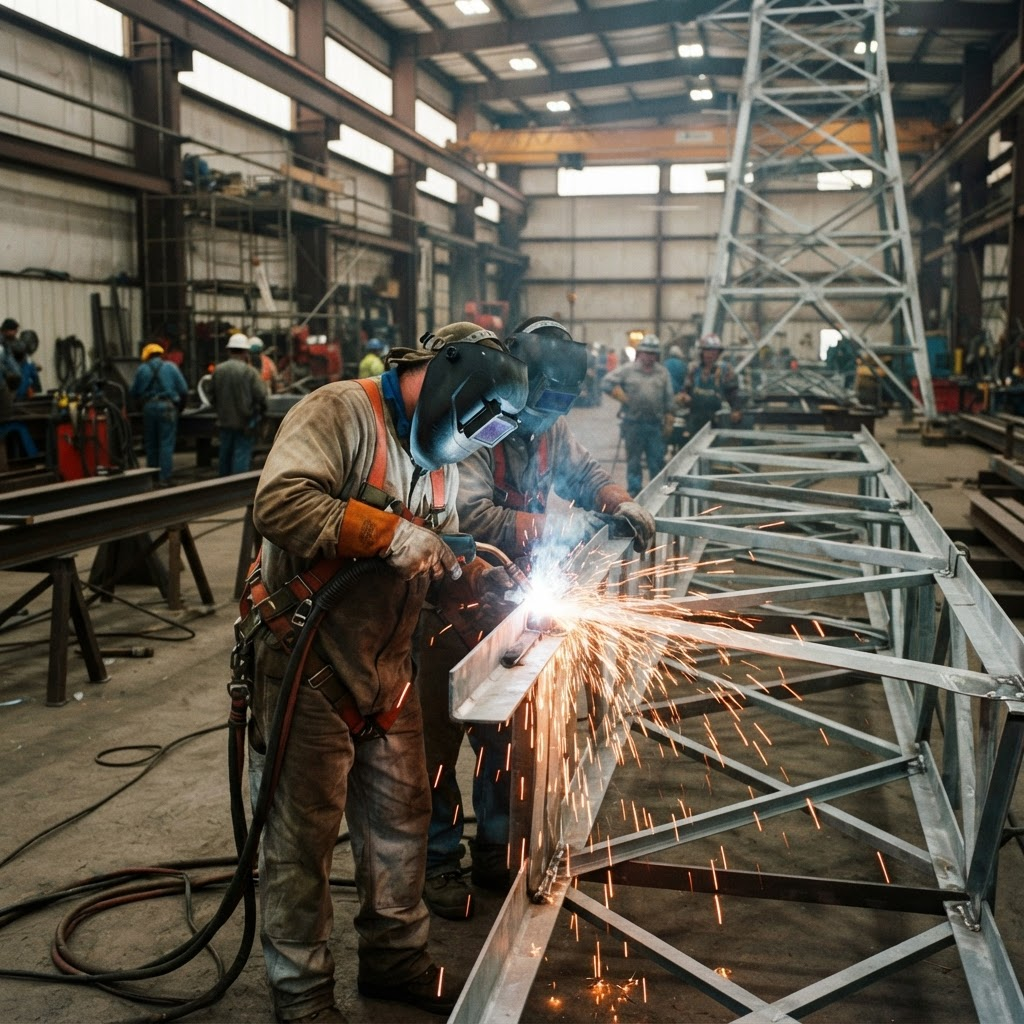
Every manufacturing unit reaches a stage where spreadsheets stop keeping pace with operations. Orders increase, production schedules become tighter, and a simple inventory mismatch starts affecting dispatch timelines. Managing the entire operation across scattered systems only adds to the confusion, which is exactly where implementing an enterprise resource planning system brings everything together.
The common challenges ERP solutions address
The most common challenges for manufacturers are a lack of data visibility, error-prone manual processes, and delays that build gradually rather than appearing suddenly.
- Production starts before all required materials are available
- Inventory records differ from physical stock
- Urgent purchases become a regular practice instead of an exception
- Delivery dates are committed without checking production schedules
- Reports are prepared manually by collecting data from multiple teams
- Cost overruns are noticed only after production is complete
- Departments maintain separate records for the same transaction
Production planning and shop floor control
Production planning is the critical phase that decides whether an order moves smoothly or has to be rescheduled. A master production schedule balances market demand and plant capacity, while capacity planning reviews machine availability and manpower requirements in advance, reducing unnecessary pressure on production lines.
Material requirements are calculated from actual production schedules rather than assumptions, making procurement more predictable. Work orders remain visible throughout production so supervisors can respond before delays grow larger, and real-time tracking continuously bridges the communication gap between machines, operators, and business teams.
CRM, HR, and finance working from one source
CRM integrated with the ERP connects sales and customer service with production and supply chain, letting manufacturers generate profitable quotes based on real production floor capacity and inventory rather than guesswork. Every enquiry enters a structured sales pipeline instead of being tracked through personal spreadsheets, and customer data stays connected with back-end production data throughout the order cycle.
HR integrated with ERP lets teams manage attendance, shifts, overtime, and payroll while connecting the workforce directly to production and supply chain data. A robust finance module keeps records of every transaction, from raw material cost to wages and machine usage, automating general ledgers and giving clear, real-time visibility into cash flow, profit, outstanding payments, and expenses.
Inventory and purchase working together
The right information on stock availability helps teams make purchase decisions, schedule production, and fix realistic deadlines. Material movement is recorded from receipt through production and dispatch, warehouse processes are automated with barcode scanning to reduce manual entry, and customer orders remain connected with available inventory and production status.
To keep the production team on schedule, the purchase function needs procurement moving on time too — purchase requests move through a defined approval process, supplier records and delivery performance stay available in one location, and received materials update inventory immediately, reducing the delay between procurement and production.
The payoff of connected operations
As the business grows, operational silos create more chaos. Once an enterprise resource planning system is properly implemented, teams access data from a single source that eliminates the mismatched errors that come from separate records. The result is better planning, real control over processes, and a foundation that supports sustainable growth rather than fighting fires every month.
Where Bolto fits
Bolto gives UAE businesses one connected operating layer for finance, sales, purchasing, inventory, production, people, and reporting. The goal is not to add complexity; it is to make the right operational information available to the people who need it, when they need it.
 fits your business